
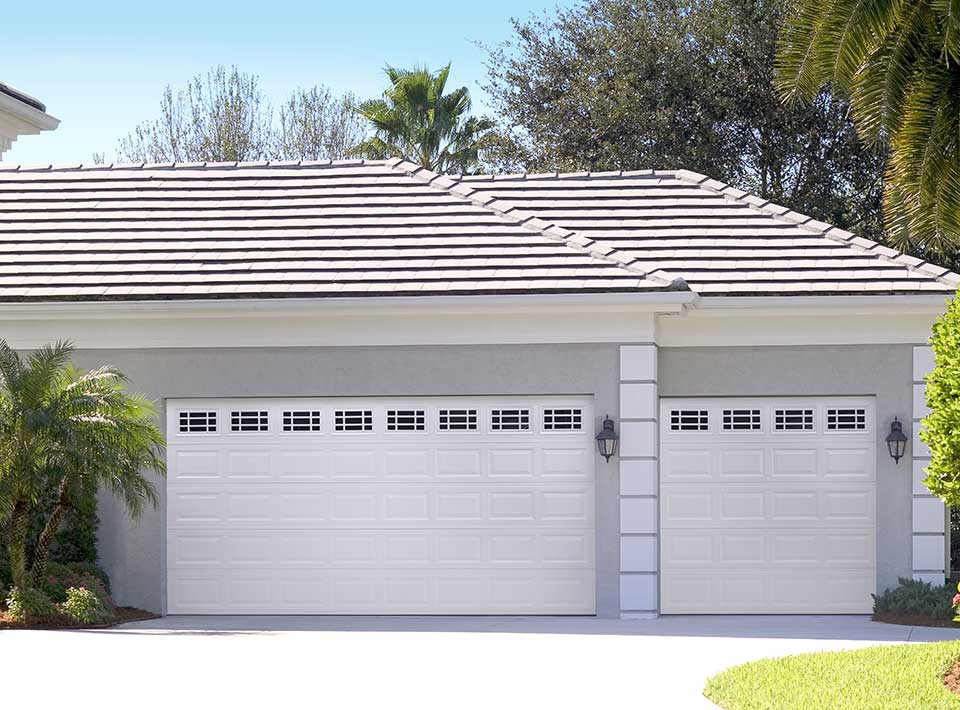
During my work as a garage door technician, I often get asked by customers—and even friends—“What’s the best garage door type?”
The truth is, there isn’t a single answer. The best garage door type depends on your needs. If I had to choose in general, I’d say an insulated steel garage door. It’s strong, energy-efficient, and durable, though it can be heavier and more expensive than other options.
In this article, we’ll help you figure out the best garage door type for you—whether you’re looking for maximum security, energy efficiency, or a budget-friendly solution.
Best Garage Door Materials
When it comes to choosing a garage door, material is the number one factor that affects both cost and features. The material you select will define the durability, maintenance needs, energy efficiency, and overall look of your garage door. Here’s a quick guide to help you compare the most popular options:
| Material | Pros | Cons | Best Use |
|---|---|---|---|
| Steel (Insulated) | Durable, energy-efficient, low-maintenance | Heavy, can dent, risk of rust, higher cost | Canadian homes, heated garages |
| Steel (Non-Insulated) | Affordable, durable | Cold, noisy | Unheated garages, budget-friendly |
| Aluminum | Lightweight, rust-resistant, modern look | Less durable, dents easily, less insulation | Modern homes, wide doors |
| Wood | Beautiful, customizable, premium | Expensive, high maintenance, prone to warping | Luxury or heritage homes |
| Fiberglass | Lightweight, rust-resistant, wood-like | Fades, less durable, limited insulation | Coastal areas, modern or lightweight needs |
| Vinyl | Dent-resistant, low maintenance, rust-proof | Limited colors/styles, can crack in cold | Humid or coastal areas, low-maintenance |
By understanding the strengths and weaknesses of each material, you can choose a garage door that fits your budget, style, and functional needs—especially important for Canadian climates.
Why Garage Door Insulation Is Important
Garage door insulation is more than just a comfort feature—it can save you money, protect your belongings, and improve your home’s energy efficiency. In Canada, where temperatures can drop drastically in winter, an insulated garage door helps keep the garage warmer and reduces heat loss to the rest of your home.
Insulation also provides noise reduction, making your garage quieter when opening and closing the door, and adds strength to the panels, making your door more durable. Whether you use your garage for parking, storage, or as a workshop, choosing an insulated door can make a noticeable difference in comfort, energy bills, and overall functionality.
Cheapest Garage Door Insulation
If you’re looking to add insulation to your garage door without spending a lot, several budget‑friendly options still improve comfort and energy efficiency. The most common and affordable choice is polystyrene (foam board) insulation. These foam panels fit between the garage door’s ribs and offer a decent R-value for the price, helping to reduce heat loss and lower energy costs.
Another cheap option is reflective foil insulation, which is easy to install and great for reflecting radiant heat in warmer months—useful if your garage sees a lot of sun. While these low‑cost solutions won’t match the thermal performance of high‑end polyurethane‑filled doors, they strike a good balance between price and efficiency, especially for detached or unheated garages.
For the best long‑term value in Canadian climates, pairing basic insulation with weatherstripping and a good door seal can significantly improve performance without a high upfront cost.
What Are the Cheapest Types of Garage Doors
If you’re working with a tight budget but still need a reliable garage door, some types are more wallet‑friendly than others. While prices can vary by region, size, and features, the following garage door types are generally the most affordable options for homeowners:
1. Non‑Insulated Steel Garage Doors
These are the most common budget‑friendly choice. Made from thin steel panels without insulation, they’re durable enough for regular use and usually cost much less than insulated alternatives. They’re ideal for unheated garages where energy efficiency isn’t a priority.
2. Basic Aluminum Garage Doors
Aluminum doors with a simple design are lightweight and often cheaper than their insulated steel counterparts. They resist rust and are easy to operate, though they may dent more easily and offer less insulation.
3. Single‑Layer Garage Doors (Any Material)
Single‑layer doors—whether steel or aluminum—are usually the least expensive construction option because they don’t include insulation or extra reinforcing. They’re a good choice if your garage isn’t used as living space and doesn’t require energy efficiency.
Quick Comparison: Cheapest Garage Door Types
| Garage Door Type | Typical Pros | Typical Cons |
|---|---|---|
| Non‑Insulated Steel | Very affordable, durable | Cold, noisy, low insulation |
| Basic Aluminum | Lightweight, rust‑resistant, low cost | Less durable, dents easily, low insulation |
| Single‑Layer Construction | Cheapest build style | Minimal insulation and strength |
Tip: If budget is your top priority, focus on non‑insulated or single‑layer doors. But keep in mind that spending a little more on insulation or stronger materials can save on energy costs and repair bills over time—especially in Canadian climates with cold winters.
Best Garage Door Styles
Choosing the right garage door style isn’t just about looks—each garage door design affects how your door operates, how much space it uses, and how it fits your home’s architecture. Here are the most popular garage door styles and what makes each one a great option:
1. Sectional Garage Doors
Sectional doors are made of horizontal panels that slide up and overhead on tracks.
Pros: Smooth operation, excellent insulation options, space‑saving, and ideal for most homes.
Best For: Residential homes of all sizes, especially where driveway space is limited.
2. Roll‑Up (Coil) Garage Doors
This style rolls up tightly above the opening, much like a commercial door.
Pros: Great for tight headroom, durable, and efficient use of space.
Best For: Garages with limited ceiling space or taller vehicles.
3. Tilt‑Up Garage Doors
These doors lift as a single solid piece, tilting outward and up.
Pros: Simple design, lower cost, fewer moving parts.
Cons: Requires more clear space in front of the garage.
Best For: Traditional homes or garages with long driveways.
4. Carriage‑House Garage Doors
Inspired by old carriage barn doors, these swing‑open doors add charm and character.
Pros: Stylish, classic look; can be insulated and modernized.
Best For: Craftsman, barn‑style, or historic homes.
Each style has benefits depending on your space, design preference, and daily use. For example, sectional doors tend to be the most practical for modern homes due to their insulation options and efficient operation, while carriage‑house doors stand out for curb appeal.
